
SEL Skills Blended Learning Course
As an instructional designer and instructional writer, I developed a comprehensive S-21 Project that was created for training the participants in 21 vital life skills through fun and challenges mostly focusing on brain-based learning concepts to help develop critical competencies required for personal and professional growth.
******************
Here is the instructional design process that I followed to create a blended learning gamified course for students aged 10 to 14 years for helping them develop 21 social and emotional learning skills (SEL).
First, a needs assessment was conducted to determine the specific social and emotional learning skills that the students needed to acquire. The SEL trainers helped me in assessing the same.
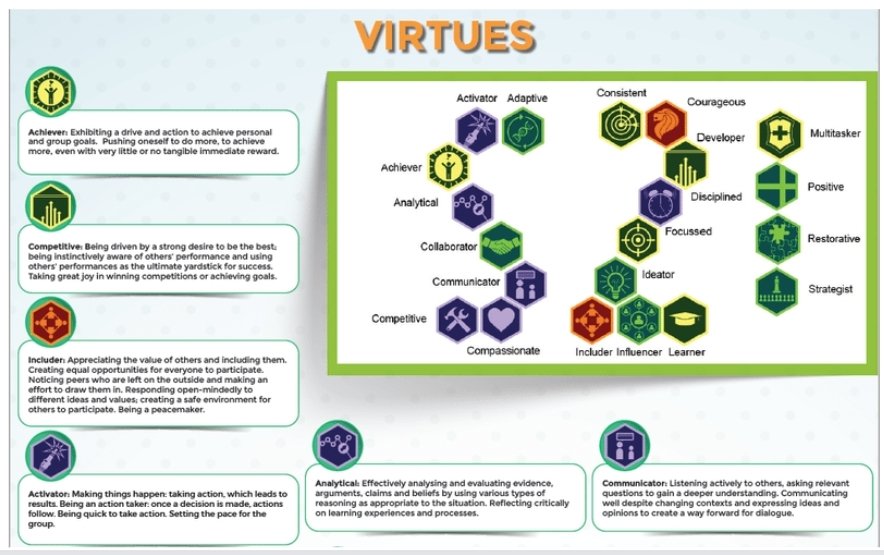
Based on the inputs, I researched what was going on around the world in terms of enhancing SEL skills for the students of the same age groups. A total of 21 skills were divided into 4 categories.
As an instructional designer, I designed a blended learning, teacher-led course framework that included measurable learning objectives, clear and easy scenarios, simulations, reflection opportunities, debriefing sessions, discussions, recap sessions, assessment criteria, and a variety of instructional strategies and materials.
Role-play was included in the handouts for teachers to guide the students to take up roles, such as superheros, guides, local dwellers, marine biologists, climbers. This was on purpose to help students bring out their emotions which would trigger their motivation to learn.
Since I had to make the course affordable I came up with 10 engaging games that could be played in a group of 6 to 18 within the classroom and in the corridors using minimum props that could be found within the premises of their school. A list of logistical requirements was carefully prepared.
What I designed:
Teacher’s Guide and Introduction Game
S-21 Introduction ppt
Virtues Poster for Classroom
Virtues Tracker Chart for Classroom
Virtues Track Sheet for Teacher
Session kits
Teacher’s Guide
Role Badges
Quiz ppt
Virtues handouts for Students
Virtue Cards
Final Session document
Student’s SWOT Analysis pdf sheets
Student’s Feedback Form
My plan was to make students they were superheros who had descended on earth to solve some common problems humans face every day, such as communicating clearly, collaborating purposefully, developing courage to do difficult tasks, living a disciplined life etc.
badges, and leaderboards, to motivate students to engage with the material more deeply.
Steps to run the sessions and methodology to be followed prior, during and after the gaming sessions were developed.
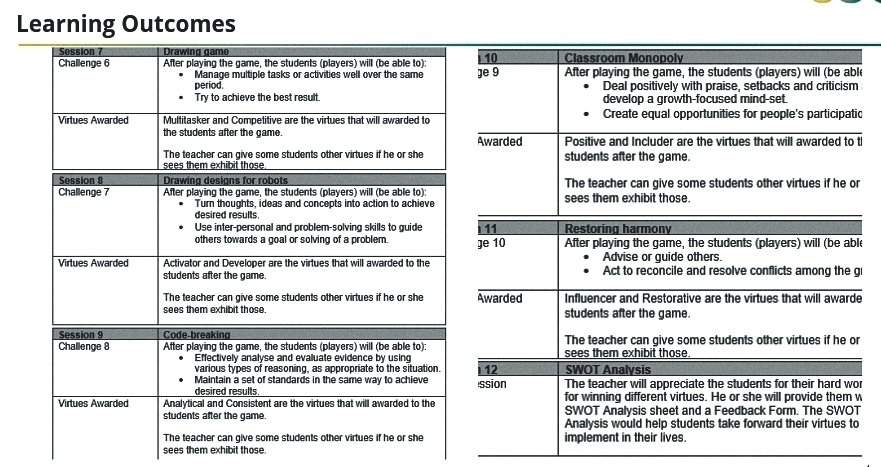
I took the help of Visual designers to create role-badges to be used during the sessions, virtue cards to be given after the session as rewards, posters, and charts.
Post session assessment included providing the students with SWOT analysis sheets to test their strengths, weaknesses, opportunities they got, and the threats they might have felt.
Knowledge check was carried out online for which students accounts were created to have access to the LMS.
Finally, the course was evaluated to determine its effectiveness in helping students acquire the targeted social and emotional learning skills, and any necessary revisions were also made to improve the course for future use. The students were feedback forms which they filled and the whole data was used by me.

Microlearning
Mindful Shopping: A Microlearning Course built on 7Taps
🌍 Why is this course necessary? 🌿
In today’s fast-paced world, it’s easy to fall into the trap of unnecessary shopping, which has significant impacts on personal finances, mental health, and the environment. This course aims to shed light on the negative effects of mindless consumption and equip learners with practical strategies to cultivate mindful consumption habits. By making conscious choices, we can reduce waste, support ethical practices, and contribute to a more sustainable future.
🌟 Why did I create this course? 🙌
As an instructional designer, I deeply care about empowering individuals to make informed decisions. The need for a course on mindful shopping became evident when I witnessed the detrimental effects of impulsive buying and realized the potential for positive change. I wanted to share my insights and provide a roadmap for individuals to break free from the cycle of unnecessary shopping and embrace mindful consumption.


Quick and Precise
Microlearning is a valuable approach to learning that involves breaking down content into small, manageable chunks and spacing out the learning process with rest periods. It is based on the idea that our brains strengthen neural connections through repeated activation and practice. By spacing out learning, we can reinforce knowledge and skills effectively.
The key is to strike a balance between strengthening knowledge and expanding it gradually. The amount of practice, duration, and spacing needed depends on the complexity of the skill, its real-world application, and the consequences of mistakes. Designing microlearning requires identifying the minimal starting point, determining subsequent steps, and knowing when to revisit and extend the learning process.
Microlearning is not just presenting small pieces of content; it requires intentional design for usability and effectiveness. Breaking up existing courses may not work if they were originally designed for one-time completion. It is important to consider which information may decay over time, when to reactivate or extend learning, when to increase difficulty, and when to conclude the learning process.
In summary, microlearning can be beneficial when applied appropriately. Understanding the differences between instantiations of microlearning and knowing when to use each approach is crucial for successful implementation. (From Clark Quinn’s article)


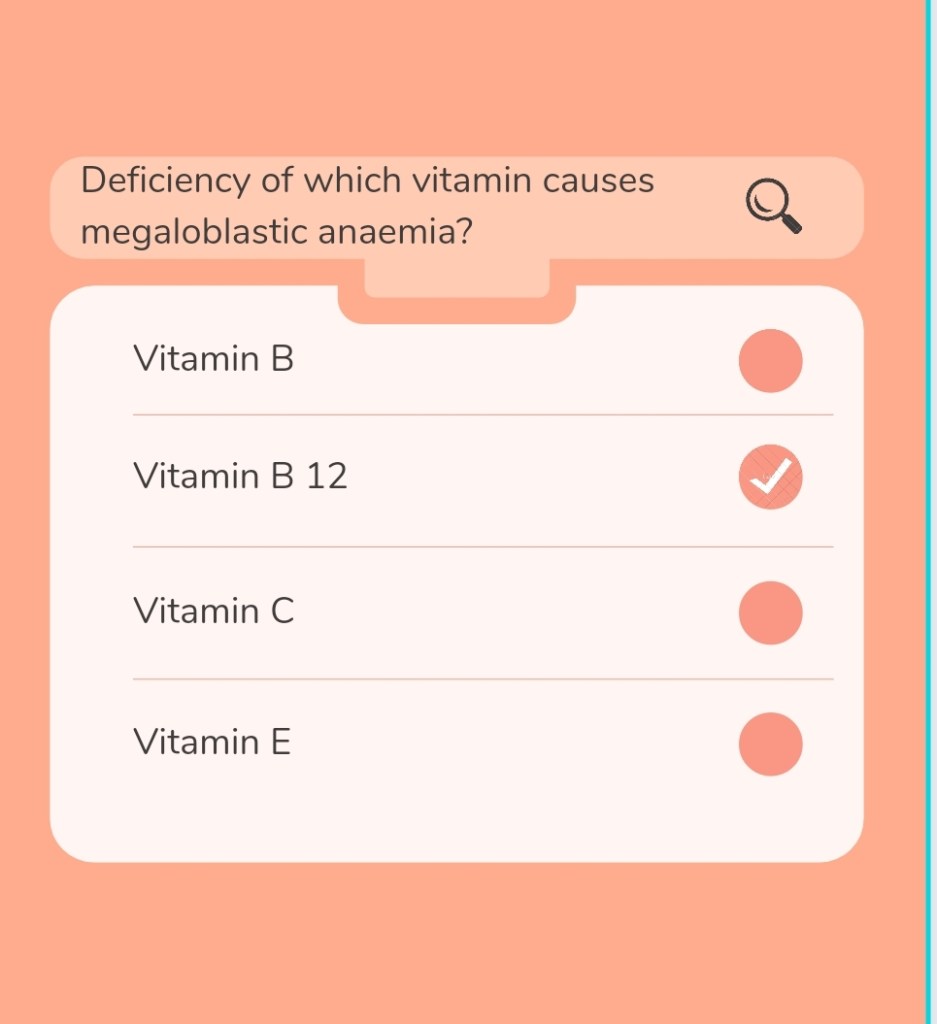
Video: Decision Making
A story-based three-minutes video module with two Polls and one Feedback question
I created this video on Canva from scratch. I chose Canva due to the variety of designs that are readily available.
Why: The main reason behind creating this video was to display my video scripting and development skills.
How: I began with coming up with my own story cut short, creating a video storyboard, reviewing it, looking for necessary visuals and effects. Finding the same character in different poses/expressions on Canva was getting challenging, hence I planned to use a different looking character for each slide. I also recorded the voice over after finalising the storyboard for each slide separately. Each audio was added to its respective scene and thus it was completed. I have added a low volume background music to enhance the quality. This video also follows Mayer’s Principles of Multimedia Learning. Have a look!
Course Description for Rise Project

AI Tool D-IDs
In an attempt to keeping up with the AI technology, here’s my experiment using the D-ID tool. I created this video via its integration with Canva app. I used the pre-written text, generated the video, did a few adjustments on Canva slide and voila!
Creative Writing: Storytelling for E-Learning

Storytelling is traditional yet one of the most effective approaches that can be used to educate and train people to perform in their institution and workplace. In an e-learning domain, storytelling with properly branched scenarios leading to relevant learning outcomes can help transform their behaviors when they are enabled to take right decisions, correct actions and propose solutions for problems existing around them.
When a story is set in a work environment with its scenes and places relevant to learners/trainees and its conclusion is used as a learning outcome, the storytelling is considered successful. In an e-learning setting, the body of a story must present challenges that learners should be expected to solve through interactivities, question-answers, rephrasing or quizzes. The content of the story’s body should be something that learners encounter in their study space or workplace depending upon who the audience is. It is very important to give the learners solutions and feedback for the challenges they face during the e-learning. Branching scenarios with consequences for wrong or not-so-relevant answers can lead learners to critical thinking and communicating it in the next phase of learning. It would then lead to motivate them and apply the solutions in their work or study space. Constructive feedback with relevant visuals, text and audio delivered at the right time during e-learning can make them more confident to explore better solutions. Apart from this, it will also make the e-learning, story-based scenario more interesting, engaging and interactive.
The visuals, text and audio used in a story setting should be appropriate for the audience considering their background, language they mostly use at workplace or institution and their age group. Simple graphics, easy to understand text with least jargons and clear audio are very important components of a good story used in an e-learning course.
Creative Writing: Review Report

Human Performance Improvement
Survey Form

Human performance improvement is crucial for organizations to achieve their goals and thrive in today’s dynamic and competitive business environment. The following survey consists of 8 key points aligned with human performance improvement principles.
 ID Goals